Filter and sort
(0)


 Garmin Forerunner 170 Whitestone/Cloud Blue with Nylon Elastic Band Bundle
Regular priceSale price /


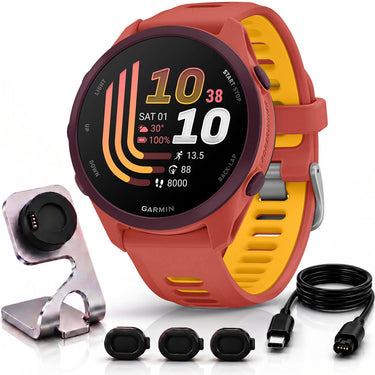
 Garmin Forerunner 170 Music Red Pink/Mango with Nylon Elastic Band Bundle
Regular priceSale price /


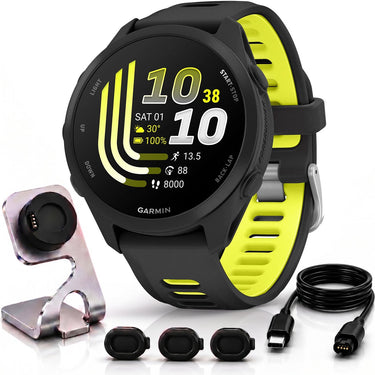
 Garmin Forerunner 170 Black/Amp Yellow with Nylon Elastic Band Bundle
Regular priceSale price /


 Garmin Forerunner 170 Music Black/Amp Yellow with Nylon Elastic Band Bundle
Regular priceSale price /


 Garmin Forerunner 170 Music Teal Green/Citron with Nylon Elastic Band Bundle
Regular priceSale price /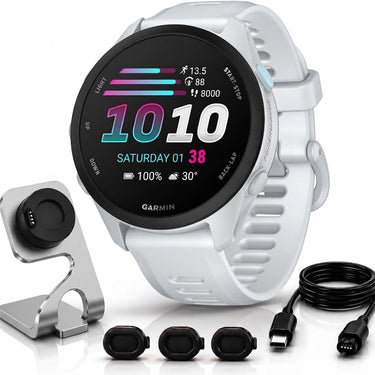
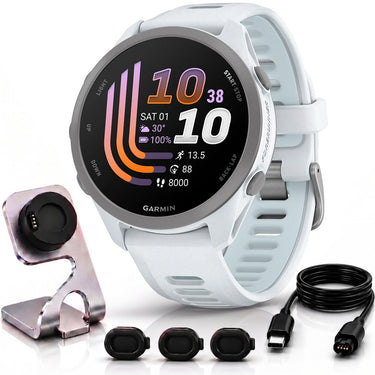
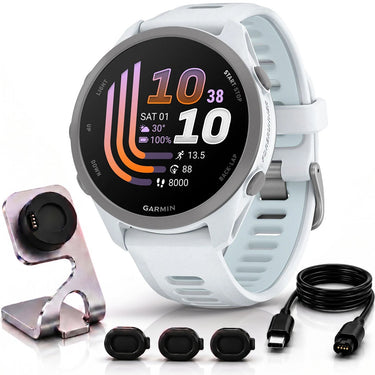 Garmin Forerunner 170 Music Whitestone/Cloud Blue with Charging Bundle
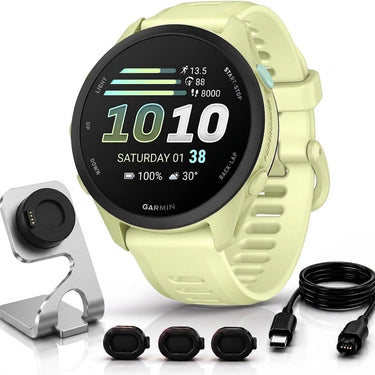
Regular priceSale price /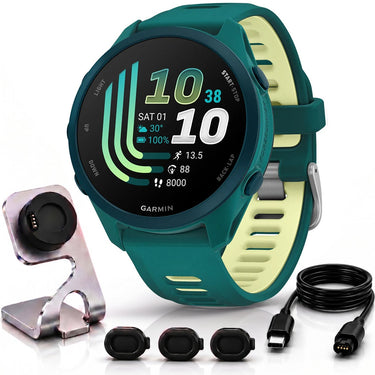 Garmin Forerunner 170 Music Teal Green/Citron with Charging Bundle
Regular priceSale price /